
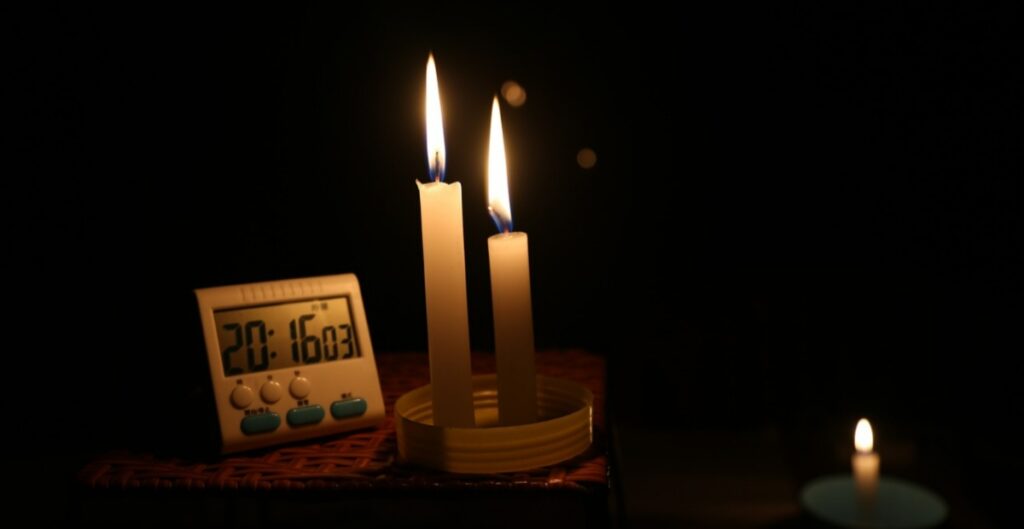
What Are Power Outages and Why Do They Happen?
Power outages refer to the loss of electrical power supply in a specific area or the entire electrical grid. They can occur for various reasons and can range from localized disruptions to widespread blackouts. Here are some common causes of power outages:
- Severe Weather: Extreme weather events such as storms, hurricanes, or heavy snowfall can cause power outages. Strong winds, lightning strikes, and ice accumulation on power lines can damage infrastructure, leading to disruptions in electricity supply.
- Equipment Failure: Faulty equipment, aging infrastructure, or technical malfunctions can result in power outages. Transformers, circuit breakers, and other components within the electrical grid may experience failures, causing interruptions in power.
- Overloading and Overdemand: During periods of high electricity usage, such as heatwaves or extreme cold, the demand for electricity can exceed the available supply. This can strain the power grid and lead to controlled or rotating outages to prevent system-wide failures.
- Accidents and Emergencies: Accidents, such as vehicle collisions with utility poles or construction-related incidents, can damage power infrastructure and cause power outages. Emergencies like fires or natural disasters may also result in power disruptions.
- Planned Outages: Utility companies sometimes need to perform maintenance, repairs, or upgrades to the electrical system. To ensure worker safety and prevent further damage, they may schedule planned outages and notify customers in advance.
During a power outage, it is important to prioritize safety. Unplug sensitive electronic devices to protect them from power surges when the electricity is restored. Use battery-powered flashlights or radios for illumination and stay updated on emergency alerts and instructions from local authorities. Keep non-perishable food, water, and extra batteries on hand. If there is a medical emergency, call 911 or seek medical assistance immediately. Remember, power restoration efforts are underway, and utility crews are working diligently to resolve the issue and restore electricity to affected areas.
Who Do You Call If Your Power Goes Out?
Experiencing a power outage can be a frustrating situation, but knowing who to contact can help you get the assistance you need. Here are the steps to follow and the appropriate contacts to reach out to if your power goes out:
- Check Your Breaker: Before contacting anyone, check your breaker box to ensure that the outage is not localized to your home. Sometimes, a tripped breaker can cause a loss of power in specific areas of your property.
- Contact Your Electric Utility Provider: If the outage extends beyond your home, contact your electric utility provider directly. They are responsible for the distribution and maintenance of the electrical grid in your area. Look for their contact information on your electricity bill or visit their website for outage reporting options. You may also be able to report an outage online or through a mobile app provided by your utility company.
- Stay Updated: During a power outage, it is important to stay informed. Tune in to a battery-powered radio or use your mobile device to receive updates and alerts from local authorities. Your electric utility provider may also provide outage alerts or updates through their communication channels.
- Report Downed Power Lines: If you encounter downed power lines, keep a safe distance and report them immediately to your electric utility provider or local authorities. Downed power lines can be hazardous, and it is crucial to stay away from them to avoid the risk of electrical shock.
- Contact Emergency Services for Safety Concerns: If the power outage poses an immediate safety risk, such as a medical emergency or a fire, call 911 for assistance. Emergency services are equipped to handle critical situations and will prioritize your safety.
Remember, during a power outage, it is essential to prioritize safety and take necessary precautions. Have a flashlight, extra batteries, and a battery-powered radio on hand. Unplug sensitive electronics to protect them from power surges when the electricity is restored. Follow any evacuation or safety instructions provided by local authorities. Utility crews work diligently to restore power as quickly and safely as possible, and staying patient and informed will help you navigate through the situation effectively.
What to do if there is a power outage in Texas?
Experiencing a power outage in Texas can be an inconvenience, but knowing what steps to take can help you stay safe and informed. Here are some important actions to consider if you find yourself in a power outage situation:
- Check for Safety: First and foremost, prioritize your safety and the safety of those around you. Stay indoors and away from downed power lines or any hazardous conditions that may have resulted from the outage. If you encounter a life-threatening situation, such as a medical emergency or fire, call 911 immediately.
- Report the Outage: Contact your electric utility provider to report the power outage. Many utility companies have dedicated hotlines or online platforms where you can submit outage reports. It’s important to provide accurate and detailed information about the outage, including your location and any observed hazards such as downed power lines. By reporting the outage, you help utility crews identify the extent of the issue and work towards restoring power.
- Preserve Energy: During a power outage, conserve energy to extend the life of your emergency supplies. Turn off or unplug non-essential electrical devices to prevent overload once power is restored. Use flashlights or battery-powered lanterns instead of candles to avoid fire hazards. Minimize the opening of refrigerators and freezers to keep perishable food longer. If needed, use blankets or layered clothing to stay warm instead of relying solely on heating systems.
- Stay Informed: Keep yourself informed about the outage and restoration efforts. Listen to battery-powered radios for updates from local news stations or follow social media accounts of your electric utility provider and local authorities for official announcements. They may provide information on the estimated time for power restoration, any safety precautions, or alternative assistance resources.
- Seek Assistance if Necessary: If you have specific medical needs or rely on life-supporting equipment, contact your healthcare provider or medical device manufacturer for guidance on backup power options. Some utility companies offer priority assistance programs for individuals with special medical needs. Additionally, reach out to local emergency management agencies or community organizations for support and resources during prolonged outages.
Remember, power outages can occur due to various reasons, including severe weather events, equipment failures, or grid maintenance. Utility companies work diligently to restore power as quickly as possible, but it’s essential to stay prepared, patient, and adaptable during these situations. By taking appropriate actions and following safety guidelines, you can navigate through a power outage in Texas more effectively.
How to Be Prepared Before a Power Outage Happens
While power outages can occur unexpectedly, being prepared ahead of time can help you navigate through these situations more smoothly. Taking proactive steps and having essential supplies in place can make a significant difference in ensuring your safety and comfort during a power outage. Here are some measures you can take to be prepared:
- Create an Emergency Kit: Assemble an emergency supply kit that includes essential items such as battery-powered flashlights, a battery-powered radio, extra batteries, non-perishable food, bottled water, a first aid kit, blankets, and a basic toolkit. Keep this kit in an easily accessible location in your home.
- Develop an Emergency Plan: Establish a plan with your family members or household members to ensure everyone knows what to do during a power outage. Identify a safe meeting place within your home and discuss evacuation procedures if necessary. Assign responsibilities to each family member, including tasks like reporting the outage, shutting off appliances, or contacting emergency services if needed.
- Maintain Communication: Keep a list of important contact information readily available, including your electric utility provider’s emergency contact number, local authorities, and medical services. Program emergency numbers into your phones or write them down in case your mobile device loses power.
- Backup Power Options: Consider investing in a backup power source such as a generator or battery-powered inverters to provide limited electricity during an outage. Follow all safety guidelines and manufacturer instructions when using these devices. Ensure you have enough fuel or charged batteries to power them adequately.
- Protect Sensitive Equipment: Unplug sensitive electronic devices like computers, televisions, and appliances to protect them from power surges when the electricity is restored. Use surge protectors to safeguard valuable equipment.
- Conserve Energy: Implement energy-saving practices in your daily routine to help minimize the impact of a power outage. This includes turning off lights and electronics when not in use, adjusting thermostats to conserve heating or cooling, and using natural light during the day.
- Stay Informed: Stay updated with local news and weather forecasts. Sign up for emergency alert systems provided by your local authorities or electric utility company to receive notifications about potential outages or severe weather events.
By taking these preparedness measures ahead of time, you can better cope with power outages and ensure the safety and well-being of yourself and your loved ones. Remember to regularly check and replenish your emergency supplies to keep them up to date. Being prepared gives you peace of mind and allows you to respond effectively during unexpected power disruptions.
How to Stay Safe During a Power Outage
Power outages can present various safety challenges, but by following some important precautions, you can help ensure the well-being of yourself and your family. Here are essential tips on how to stay safe during a power outage:
- Use Caution with Candles and Alternative Light Sources: Avoid using candles as a primary light source due to the fire risk they pose. Instead, rely on battery-powered flashlights or lanterns. If you must use candles, place them in sturdy holders away from flammable materials and never leave them unattended.
- Be Mindful of Food Safety: Keep refrigerator and freezer doors closed as much as possible during an outage to maintain the cold temperature. A closed refrigerator will keep food cold for about four hours, while a closed freezer can preserve food for up to 48 hours (24 hours for a half-full freezer). Dispose of perishable food that has been above 40°F for more than two hours.
- Stay Warm Safely: If the power outage occurs during cold weather, layer clothing and use blankets to stay warm. If using a fireplace or wood-burning stove for heating, ensure proper ventilation and follow safety guidelines. Use caution when using space heaters and follow manufacturer instructions to avoid fire hazards.
- Be Aware of Downed Power Lines: Never touch or approach downed power lines. Always assume they are live and potentially dangerous. Report downed power lines immediately to your electric utility provider or local authorities.
- Prevent Carbon Monoxide Poisoning: When using alternative heating sources or generators, ensure proper ventilation to prevent carbon monoxide buildup. Keep generators outside, away from doors, windows, and vents. Install carbon monoxide detectors in your home and check their batteries regularly.
- Minimize Electrical Hazards: Unplug sensitive electronic devices and appliances to protect them from power surges when the electricity is restored. Leave one light switch turned on to alert you when power is restored. Avoid using portable generators indoors and connect them directly to appliances or use a transfer switch.
- Stay Informed: Listen to battery-powered radios or use your mobile devices to stay updated on the outage’s status and any instructions from local authorities. Follow the guidance provided by your electric utility company and public safety agencies.
By being aware of potential risks and taking necessary precautions, you can stay safe during a power outage. Remember to have an emergency supply kit and a plan in place, and always prioritize your well-being and that of your loved ones during these challenging situations.
Want to read something on the opposite? Be sure to check out this Niccolo article on insulation.