
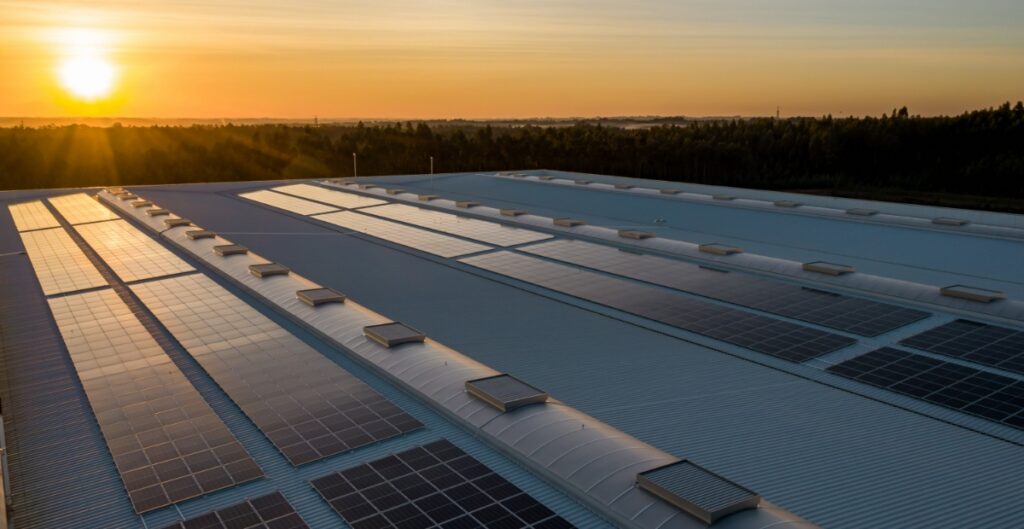
As Texas continues to experience extreme weather conditions that impact energy supply and cost, more and more Texans are considering alternative energy sources such as solar panels. The Lone Star State is one of the sunniest states in the US, with an average of 232 sunny days each year, making it an ideal location for solar panel installation. In this article, we will explore the benefits and drawbacks of solar panel installation in Texas and help you determine if it is the right choice for you.
Benefits of Texas Solar Panel Installation
The primary benefit of installing solar panels in Texas is the cost savings that come from generating your own electricity. According to EnergySage, the average cost of a 6 kW solar panel system in Texas is $12,672 after tax credits and incentives. This system can generate up to 7,500 kWh of electricity annually, which can cover up to 90% of the electricity needs of a typical Texas home. Over time, this translates to significant savings on monthly energy bills.
In addition to saving money on energy bills, solar panel installation in Texas can increase the value of your home. According to a study by the National Renewable Energy Laboratory, homes with solar panels installed sell for 20% more on average than homes without solar panels. This is because homebuyers are increasingly interested in energy-efficient homes that can save them money in the long run.
Another benefit of solar panel installation in Texas is the state’s net metering policy. Net metering allows homeowners to sell excess energy generated by their solar panels back to the grid, which can result in additional savings on energy bills.
Drawbacks of Solar Panel Installation
While there are many benefits to solar panel installation in Texas, there are also some drawbacks to consider. The initial cost of installing solar panels can be expensive, and it may take several years to recoup the investment through energy savings.
Additionally, Texas does not offer state tax incentives for solar panel installation, unlike some other states in the US. However, homeowners can still take advantage of the federal solar tax credit, which offers a 26% tax credit on the cost of solar panel installation.
Another potential drawback of solar panel installation in Texas is the impact of extreme weather conditions such as hailstorms and hurricanes. While solar panels are designed to be durable and can withstand harsh weather conditions, they can still be damaged or destroyed by extreme weather events. Homeowners should consider the potential impact of weather on their solar panels when deciding whether to install them.
Businesses and Domestic Solar Panel Installation
While solar panel installation is often associated with residential homes, businesses in Texas can also benefit from solar panel installation. Many businesses in Texas have already made the switch to solar panels, including H-E-B, IKEA, and General Motors. These businesses have made a significant investment in solar panel installation to reduce their energy costs and promote sustainability.
In addition to businesses, many homeowners in Texas have also installed solar panels on their roofs. According to the Solar Energy Industries Association, Texas ranks fourth in the US for residential solar installations, with over 32,000 installations in 2020 alone.
Pricing for Solar Panel Installation in Texas
The cost of solar panel installation in Texas can vary depending on several factors, including the size of the system, the type of solar panels used, and the installation company. According to EnergySage, the average cost of a 6 kW solar panel system in Texas is $19,200 before tax credits and incentives. However, this cost can be significantly reduced with the federal solar tax credit and other incentives.
When choosing an installation company, it is essential to research and compare different companies to ensure that you are getting the best value for your investment. Many installation companies in Texas offer free consultations and quotes, which can help you determine the best solar panel system for your need.
Solar Incentives & Tax Credits
There are various rebates and tax credits available in different parts of Texas to encourage the adoption of solar energy. These incentives can significantly reduce the cost of installing solar panels and make them a more financially viable option for homeowners and businesses. Here are some examples of the rebates and tax credits available in different parts of Texas:
- Federal Solar Tax Credit: The federal solar tax credit, also known as the Investment Tax Credit (ITC), provides a 26% tax credit for the cost of solar panel installation. This credit is available to both residential and commercial properties and can significantly reduce the cost of solar panel installation. The federal solar tax credit is set to decrease to 22% in 2023 and expire for residential properties in 2024.
- Property Tax Exemption: In Texas, solar panel installation is exempt from property taxes. This means that homeowners and businesses will not see an increase in property taxes because of installing solar panels.
- Austin Energy Solar Rebate: Austin Energy offers rebates for residential and commercial solar panel installations. Residential customers can receive a rebate of up to $2,500, while commercial customers can receive up to $50,000. The rebate amount depends on the size of the solar panel system installed.
- CPS Energy Solar Rebate: CPS Energy, which serves the San Antonio area, offers rebates for residential and commercial solar panel installations. Residential customers can receive a rebate of up to $2,500, while commercial customers can receive up to $50,000. The rebate amount depends on the size of the solar panel system installed.
- Oncor Solar Rebate: Oncor, which serves the Dallas-Fort Worth area, offers rebates for residential and commercial solar panel installations. Residential customers can receive a rebate of up to $5,500, while commercial customers can receive up to $50,000. The rebate amount depends on the size of the solar panel system installed.
- El Paso Electric Solar Incentive: El Paso Electric offers a rebate for residential and commercial solar panel installations. Residential customers can receive a rebate of up to $0.85 per watt, while commercial customers can receive up to $0.50 per watt. The rebate amount depends on the size of the solar panel system installed.
Other types of Solar Power
In addition to solar panels, there are several other types of solar systems available in Texas. Here are a few examples:
- Solar Water Heaters: Solar water heaters use the sun’s energy to heat water for use in the home. These systems can be either passive or active. Passive systems rely on natural circulation to move water through the system, while active systems use pumps to circulate the water. Solar water heaters can be used to supplement or replace traditional water heaters and can provide significant energy savings.
- Solar Attic Fans: Solar attic fans are used to vent hot air from the attic and reduce the load on air conditioning systems. These fans use a solar panel to power the fan motor, eliminating the need for electricity. Solar attic fans can help reduce energy costs and extend the life of roofing materials by reducing heat buildup in the attic.
- Solar Pool Heaters: Solar pool heaters use the sun’s energy to heat the water in a swimming pool. These systems can be either passive or active. Passive systems rely on natural circulation to move water through the system, while active systems use pumps to circulate the water. Solar pool heaters can extend the swimming season and reduce energy costs associated with heating the pool.
- Solar Lighting: Solar lighting systems use photovoltaic cells to convert sunlight into electricity to power lights. These systems can be used for outdoor lighting, including streetlights, parking lot lights, and landscape lighting. Solar lighting can provide significant energy savings and reduce the carbon footprint of outdoor lighting.
- Solar Ventilation: Solar ventilation systems use the sun’s energy to power fans that move air through a building. These systems can be used to improve indoor air quality and reduce energy costs associated with heating and cooling a building.